
The Restoration Story
Château de Gudanes is a Class I Historical Monument — the same classification held by the Palace of Versailles and the Eiffel Tower. Bringing her back to life has been the work of over a decade, guided at every step by France's Monuments Historiques, and carried out by restorers, architects and artisans from France, Italy and England. This is where that story lives.
Before The Work Began
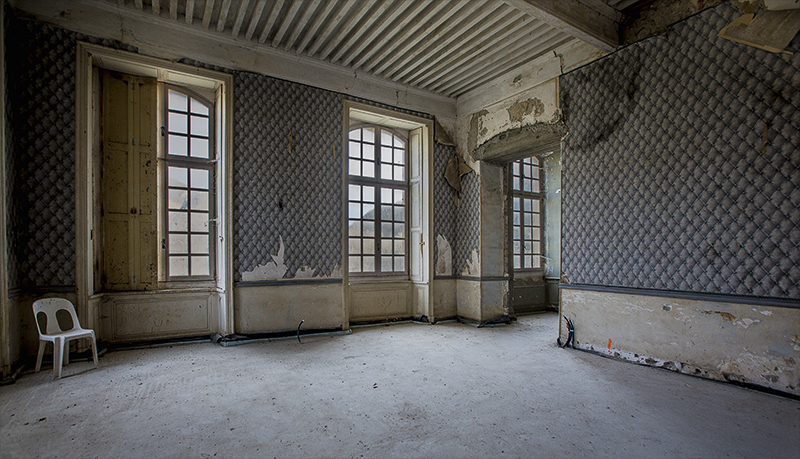
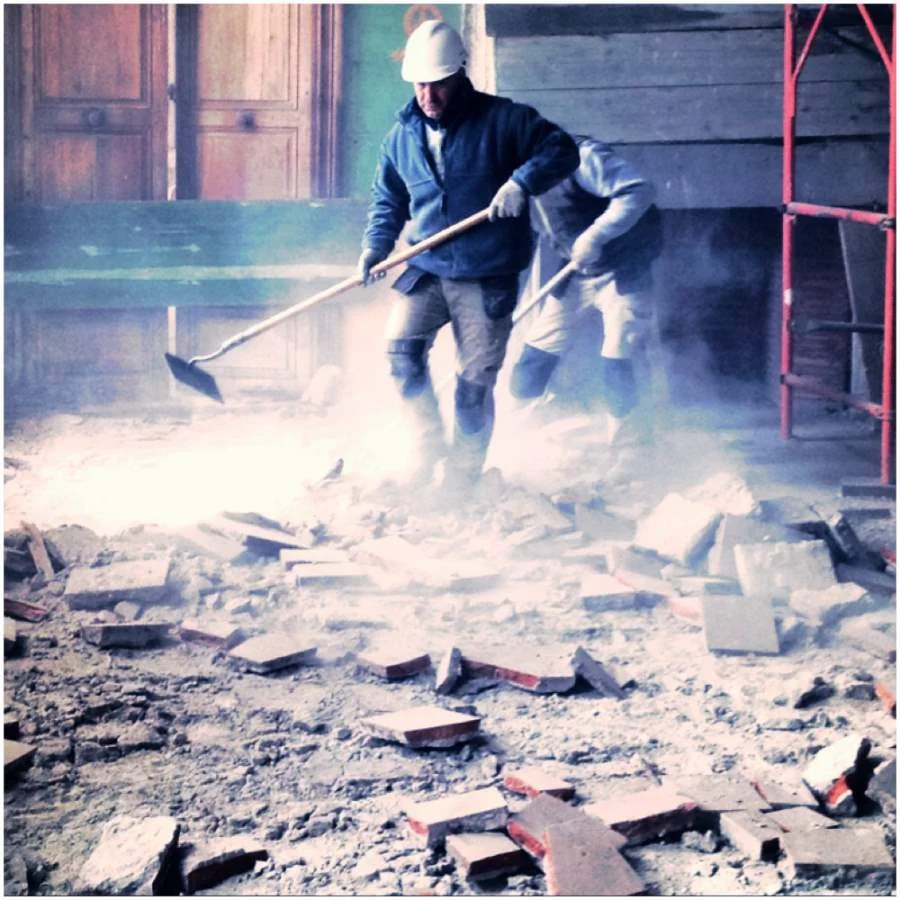
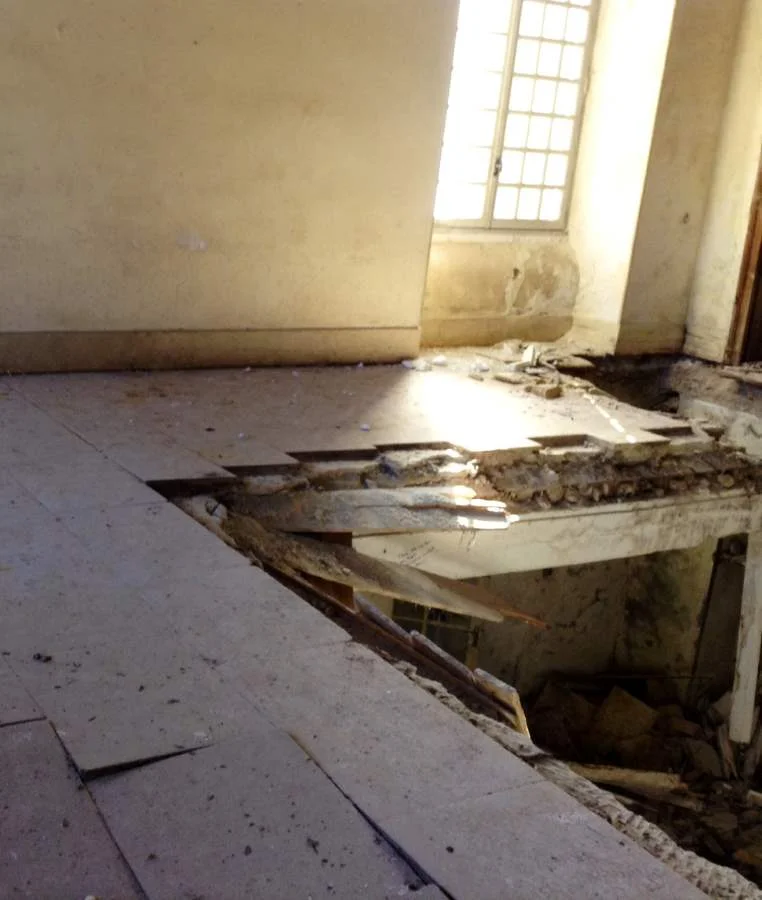
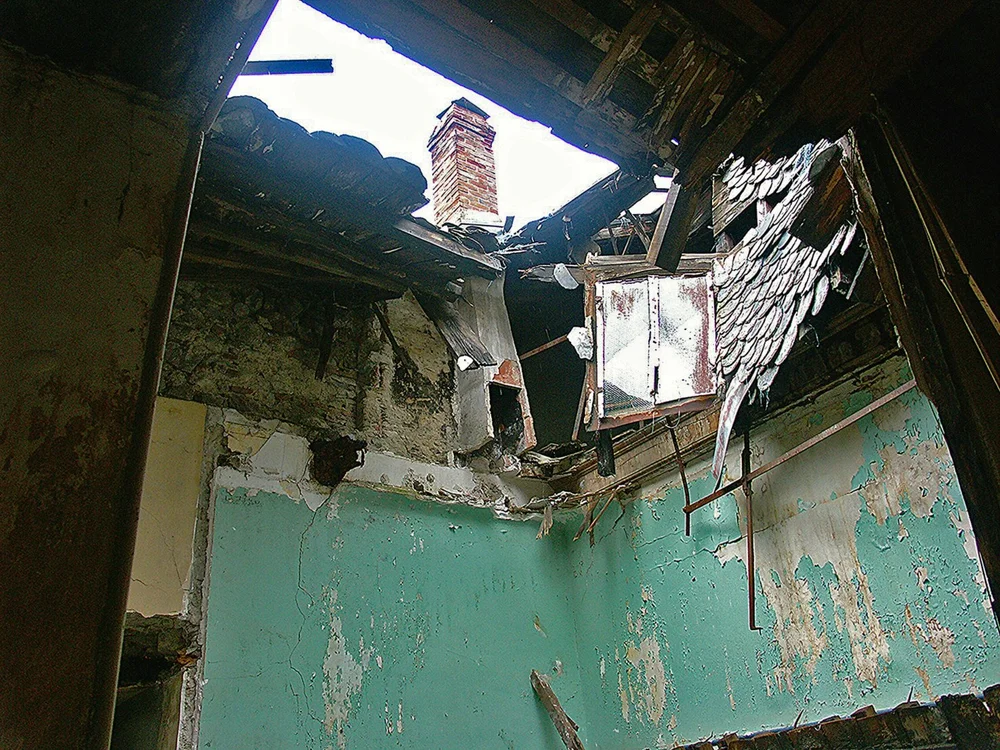
When we purchased Château de Gudanes, floors remained in only three of the building's ninety-four rooms. Before any restoration could begin, roughly 500 tonnes of rubble had to be cleared from inside the house by hand, so that it could be put back together, room by room.
Work In Progress
The first stage of work was structural: reinstalling floors, walls and ceilings so the building was safe to stand in. A Catalonian construction team travelled from Barcelona, and twelve men rebuilt the Château over twelve months, working through every season, including snow.
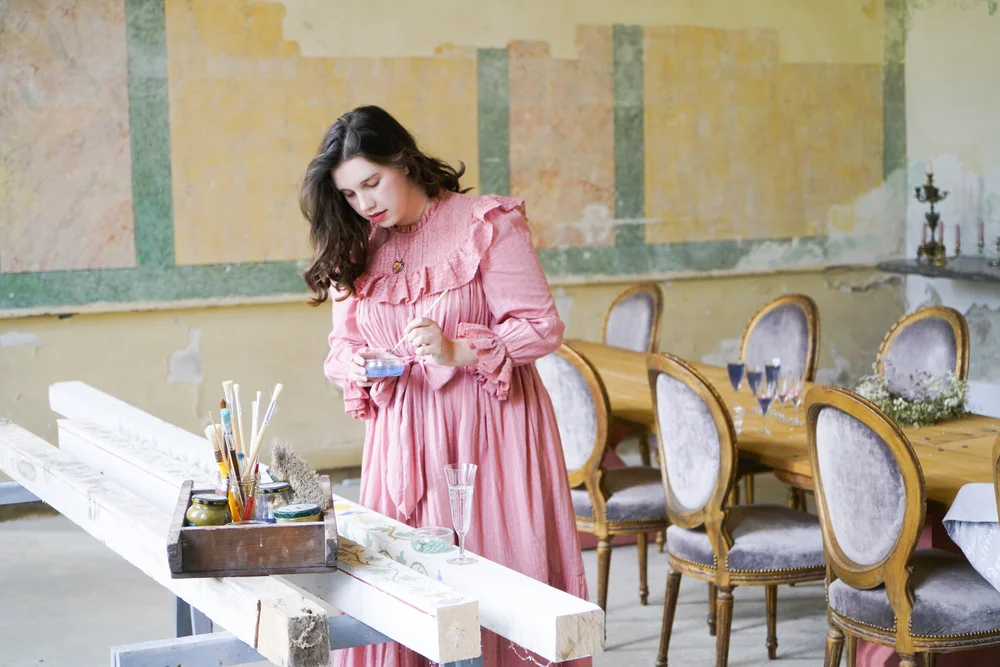
Because the Château is a Class I Historical Monument, every stage of work — no matter how small — must first be recorded, investigated and submitted to the Monuments Historiques, the French government body that oversees changes to historic buildings, and the Château's own restoration team includes architects and artisans from that same body. Alongside them work professional restorers from France, Italy and England, sharing the best current practice in restoration, conservation and preservation as the house comes back to life, layer by layer.
Château Discoveries
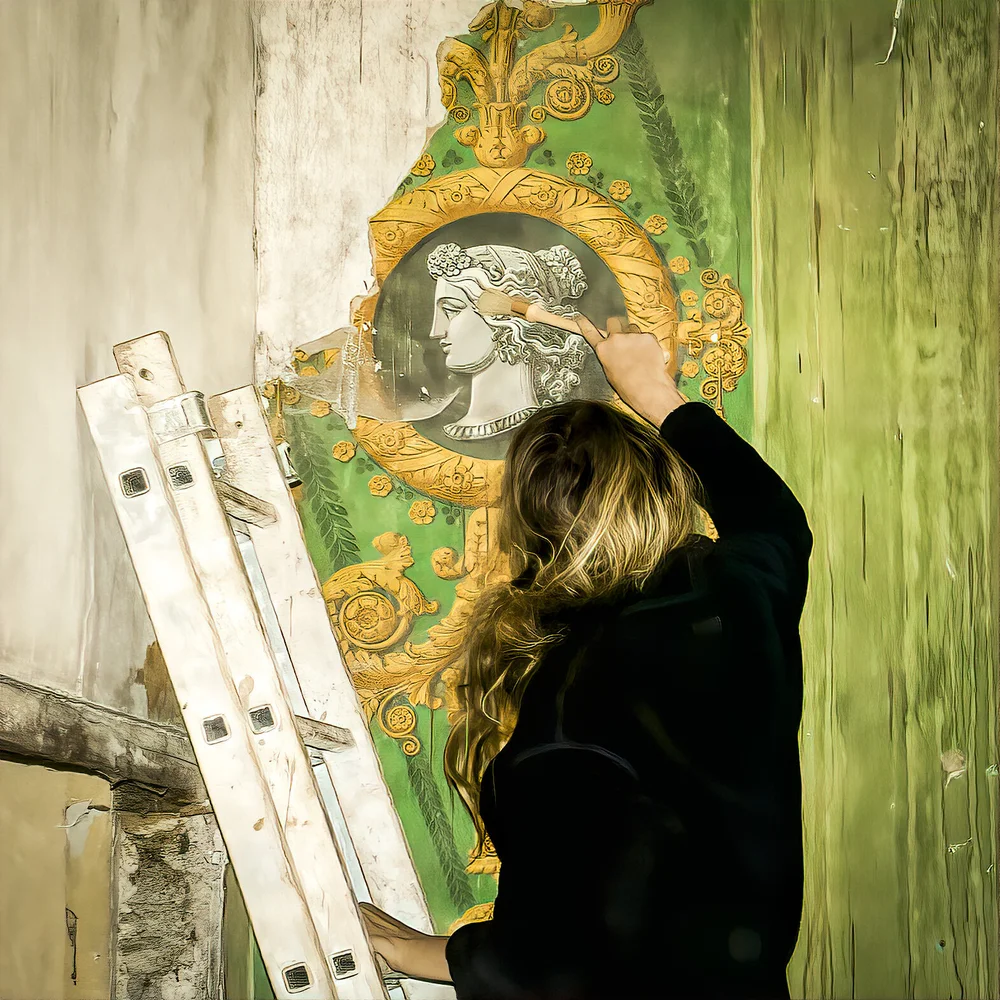
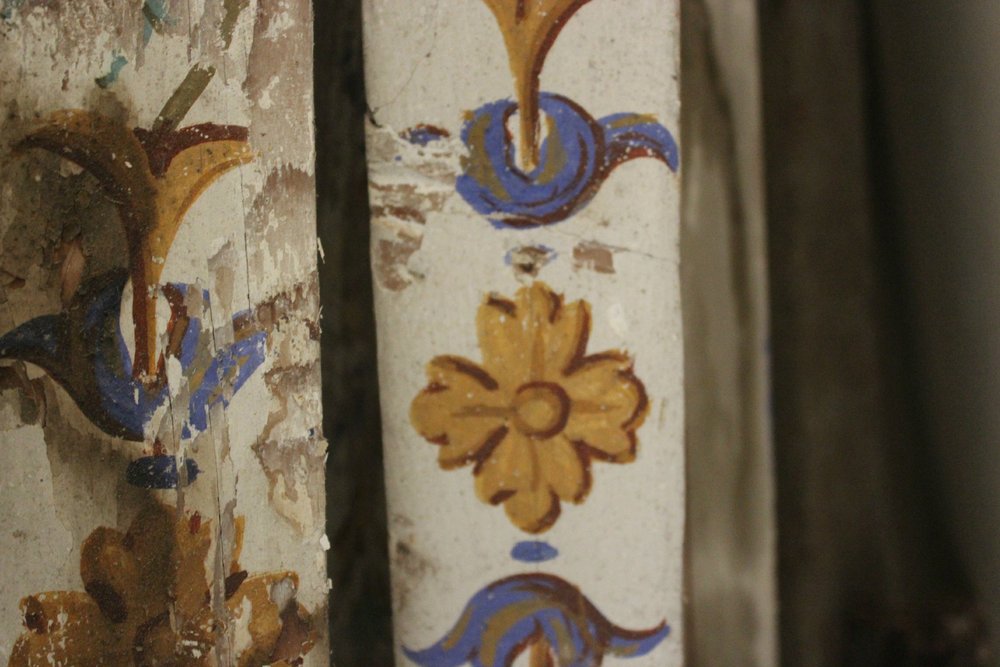
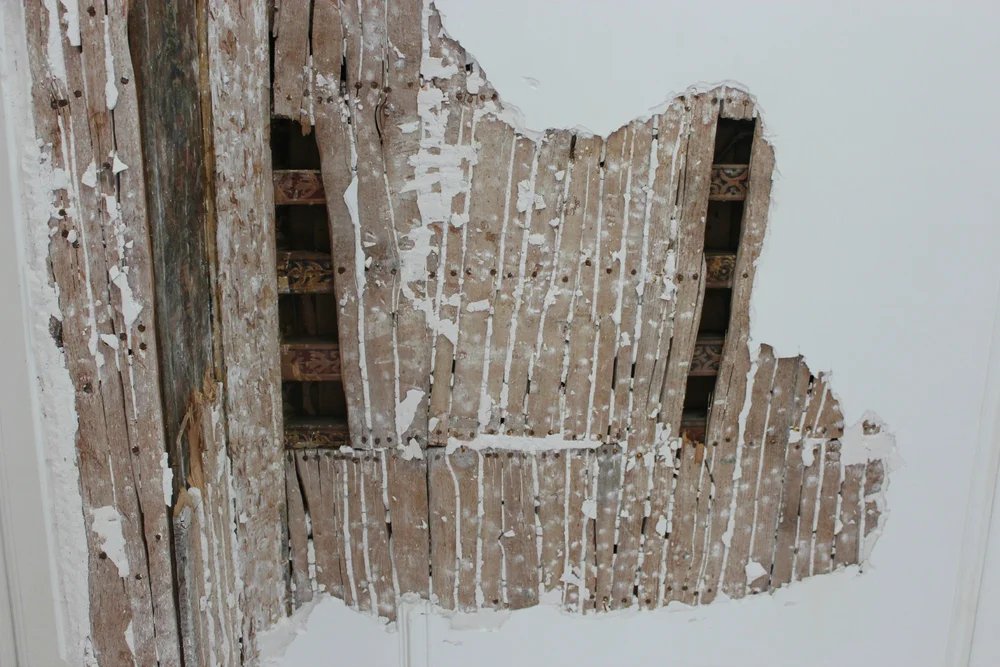
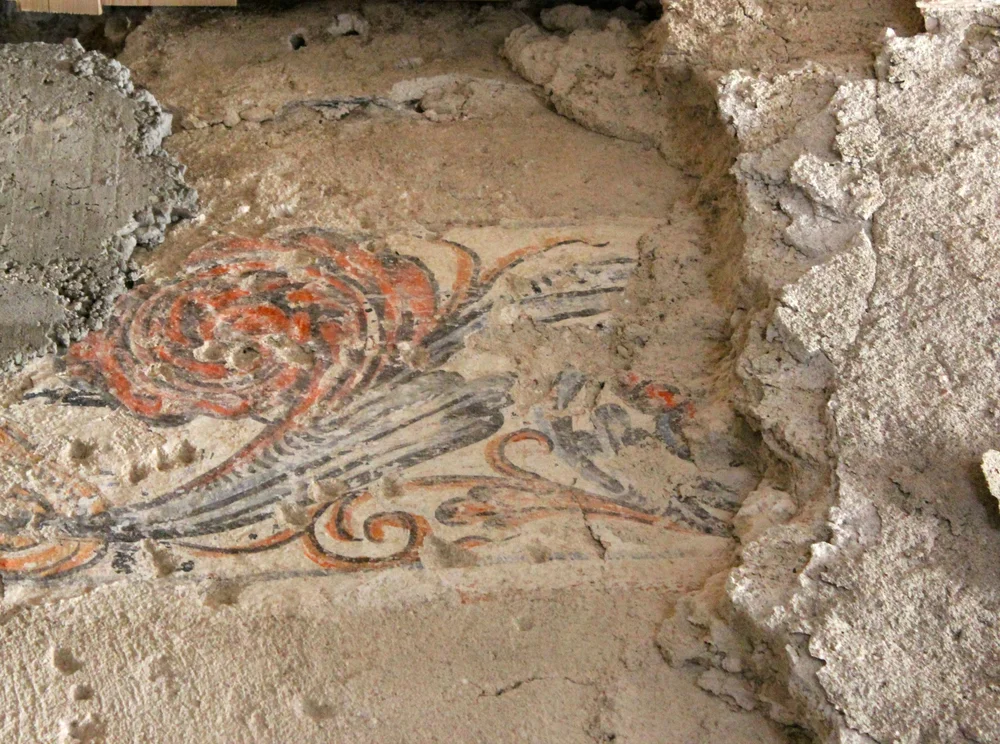
Almost every day of restoration brings a new discovery, drawing us closer to unravelling the memories held in the Château's silence. Careful removal of later cream paint and plaster has revealed hand-painted Renaissance frescoes and decorative panels beneath — among the finds so far:
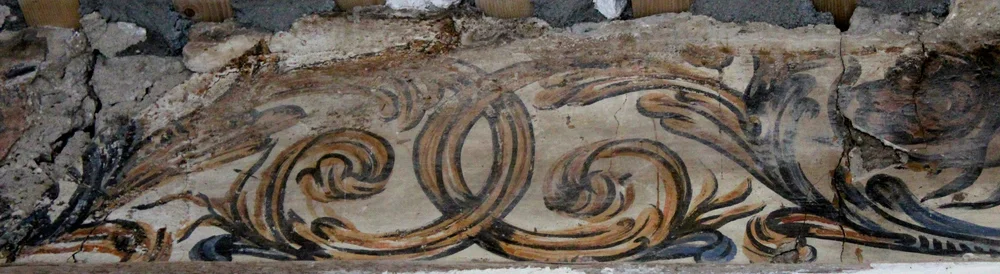
- Hand-painted Renaissance frescoes and painted beams, hidden for generations under later layers of paint
- Fragments of antique Venetian glassware, ceramics and pottery
- A tunnel leading deep below ground, still only partly explored
- Wax seals from the French Revolution, still intact on centuries-old walnut doors
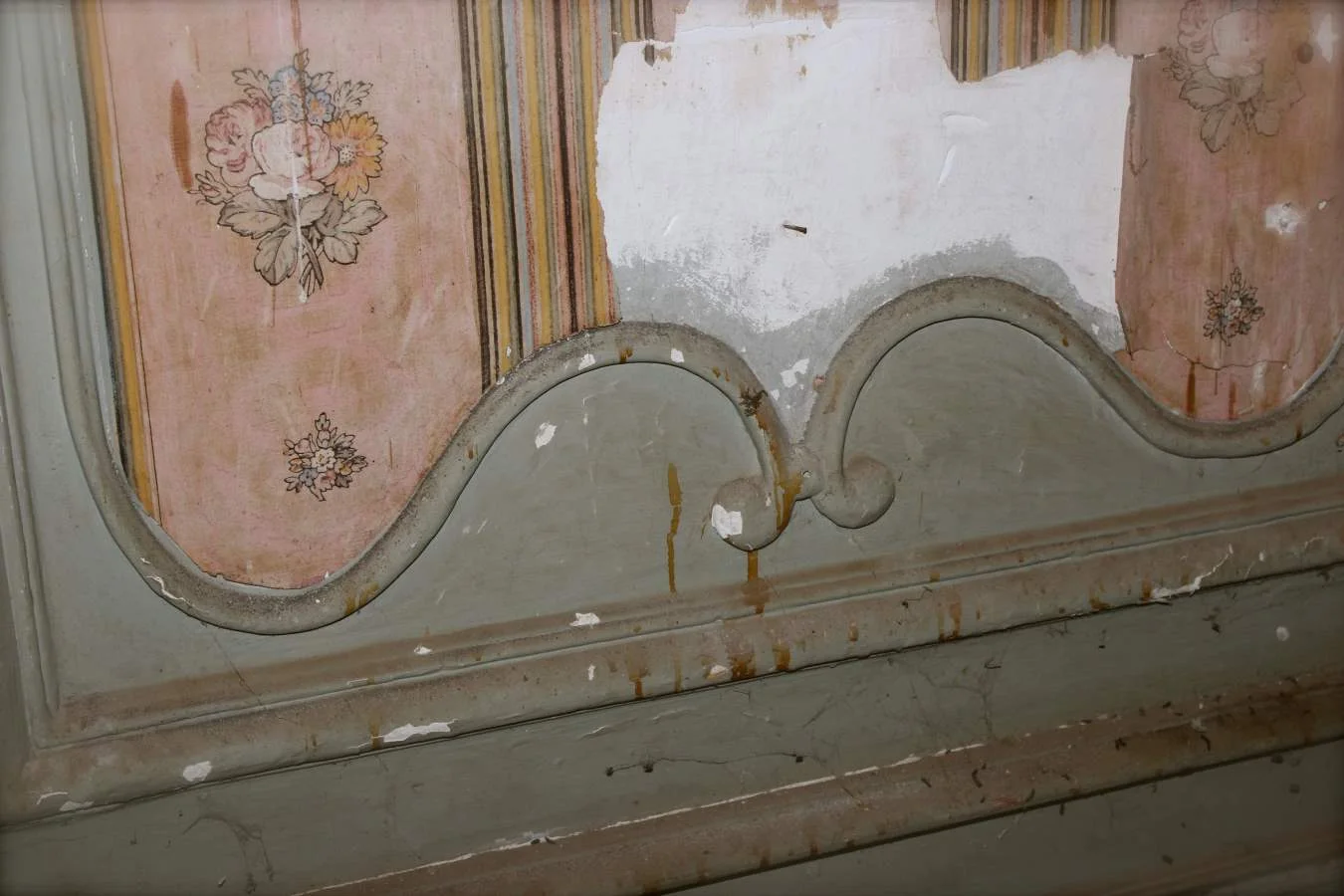
- Eighteenth-century painted walls, discovered beneath later wooden panelling
See the house today in Inside the Château, or explore The Château & Its Grounds.
